Kejriwal Industries
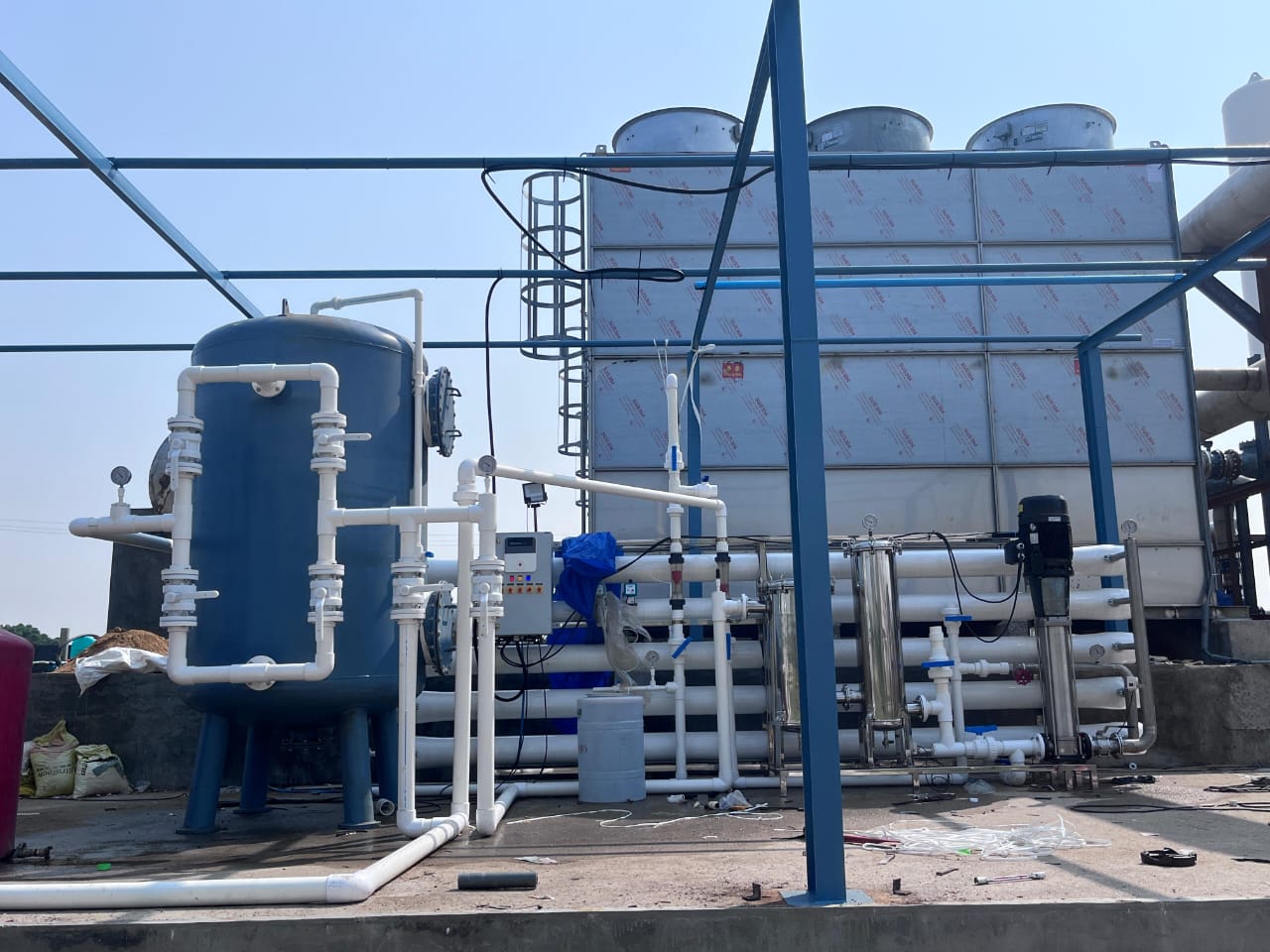
For Kejriwal Industries, Aim Enviro engineered a complete effluent-to-reuse chain — a 300 KLD Effluent Treatment Plant feeding a 60 KLD UF system and dual-stage RO — maximizing water recovery from industrial effluent.
Client
Kejriwal Industries
Capacity
300 KLD ETP · 60 KLD UF
Category
ETP & Water Recovery
Overview
300 KLD ETP with UF & Dual-Stage RO Water Recovery
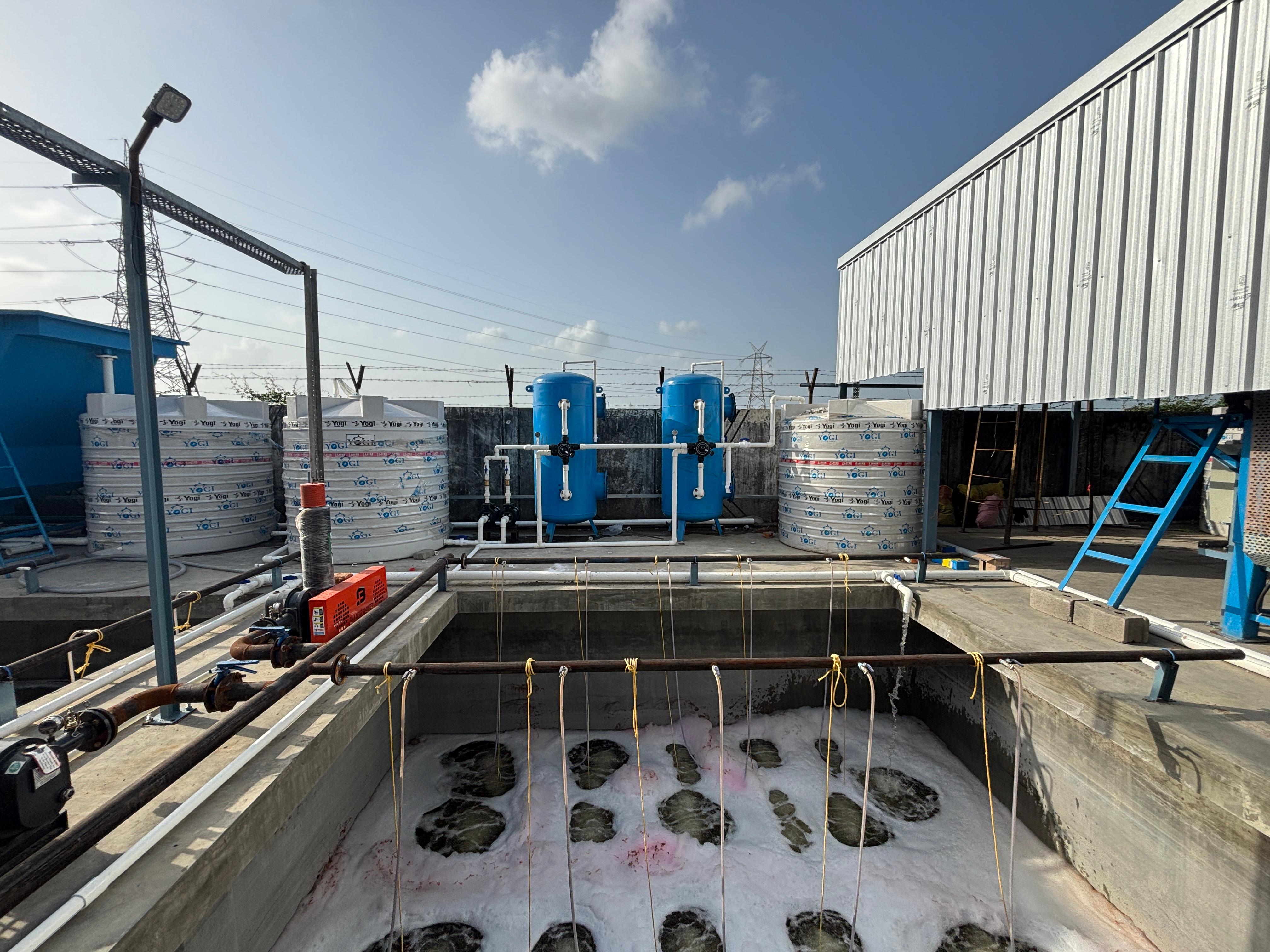
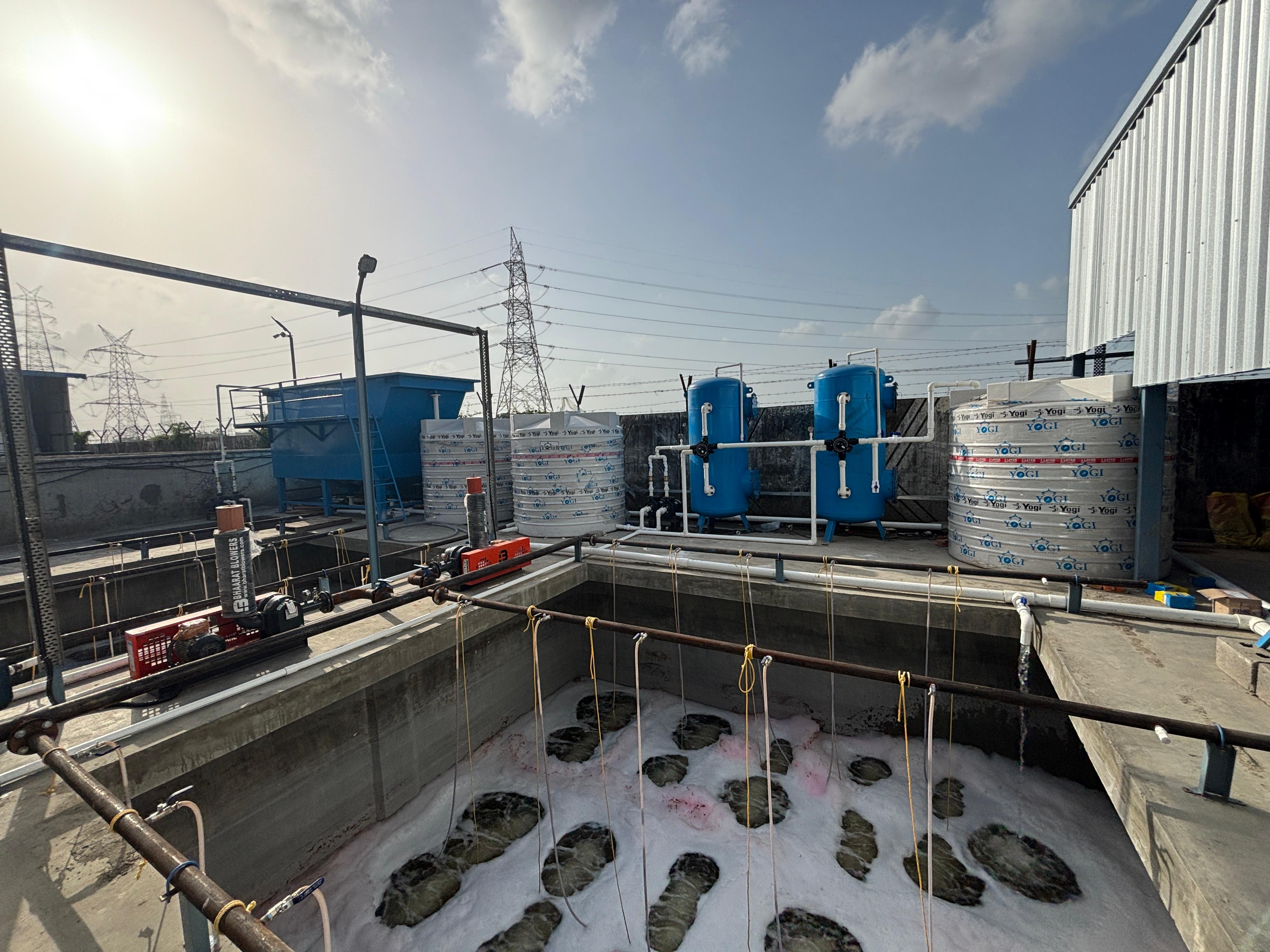
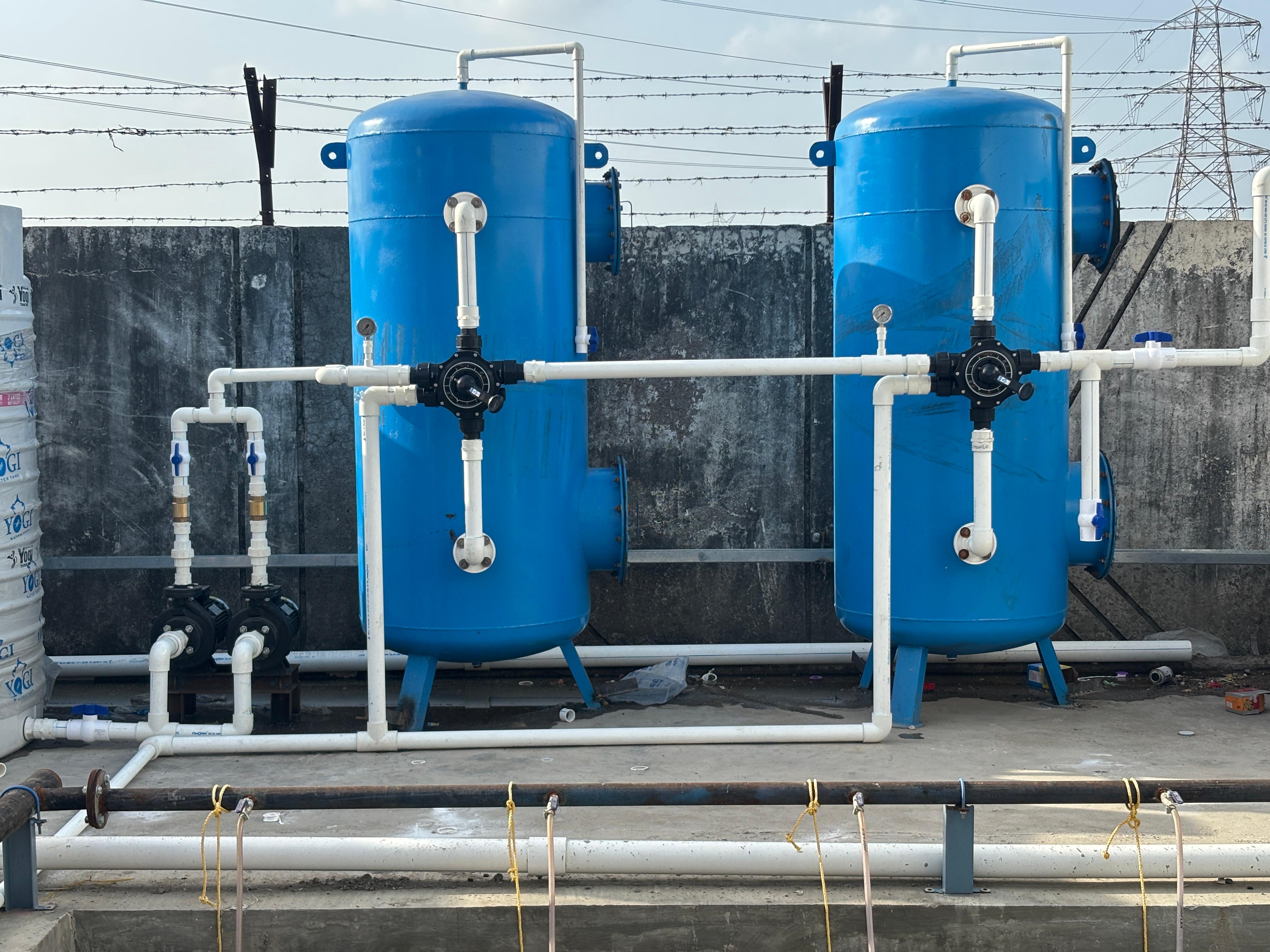
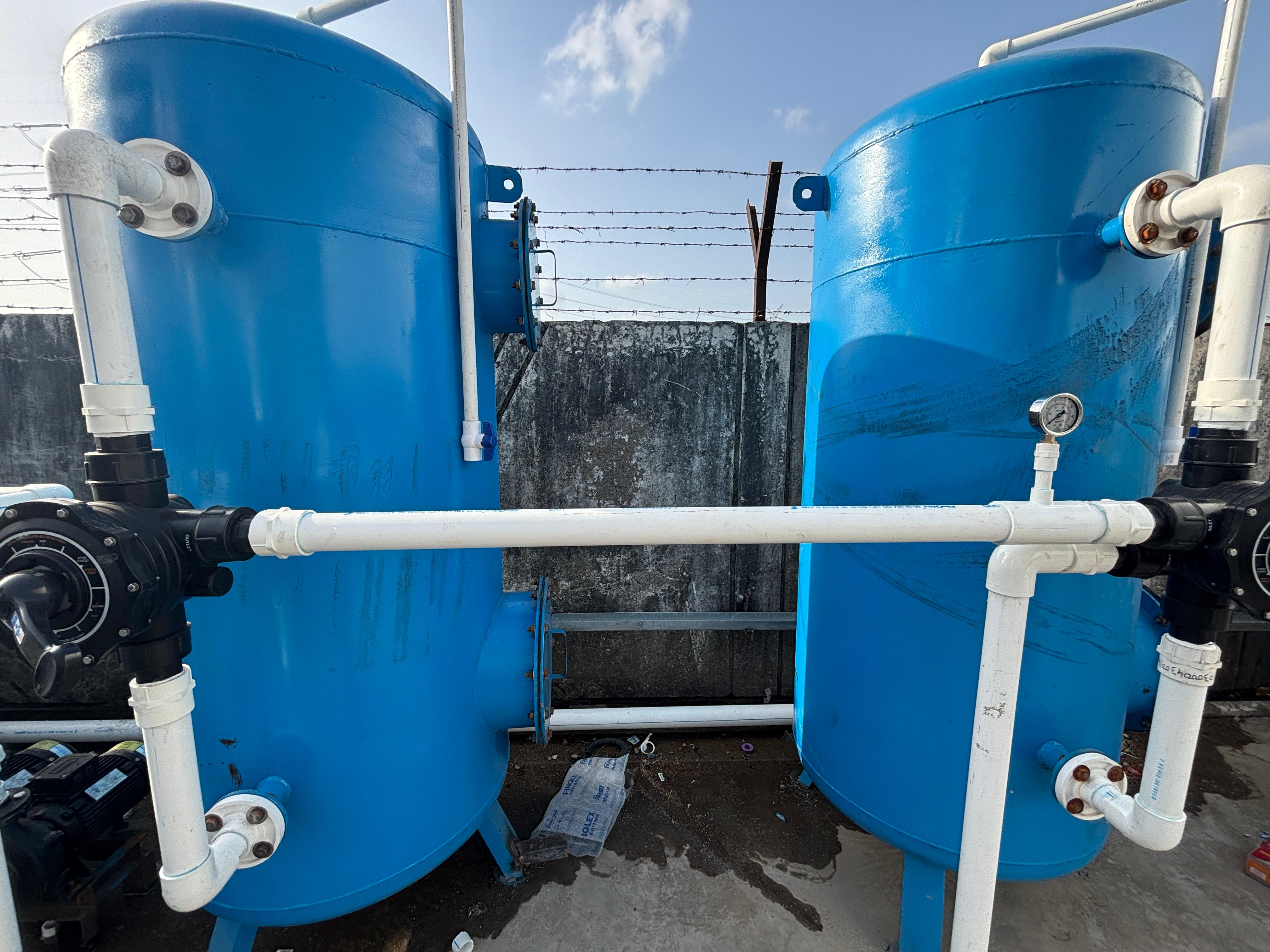
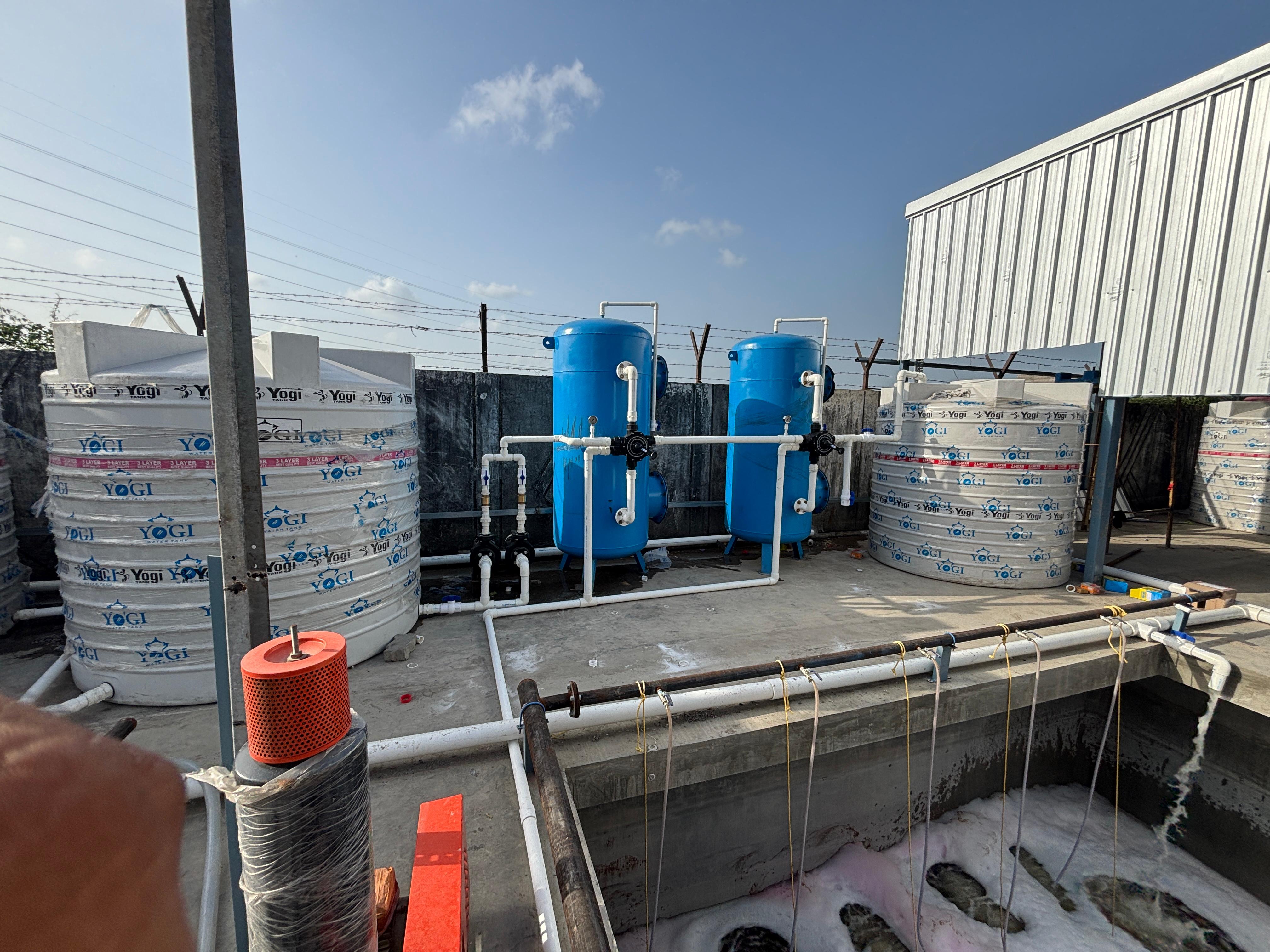
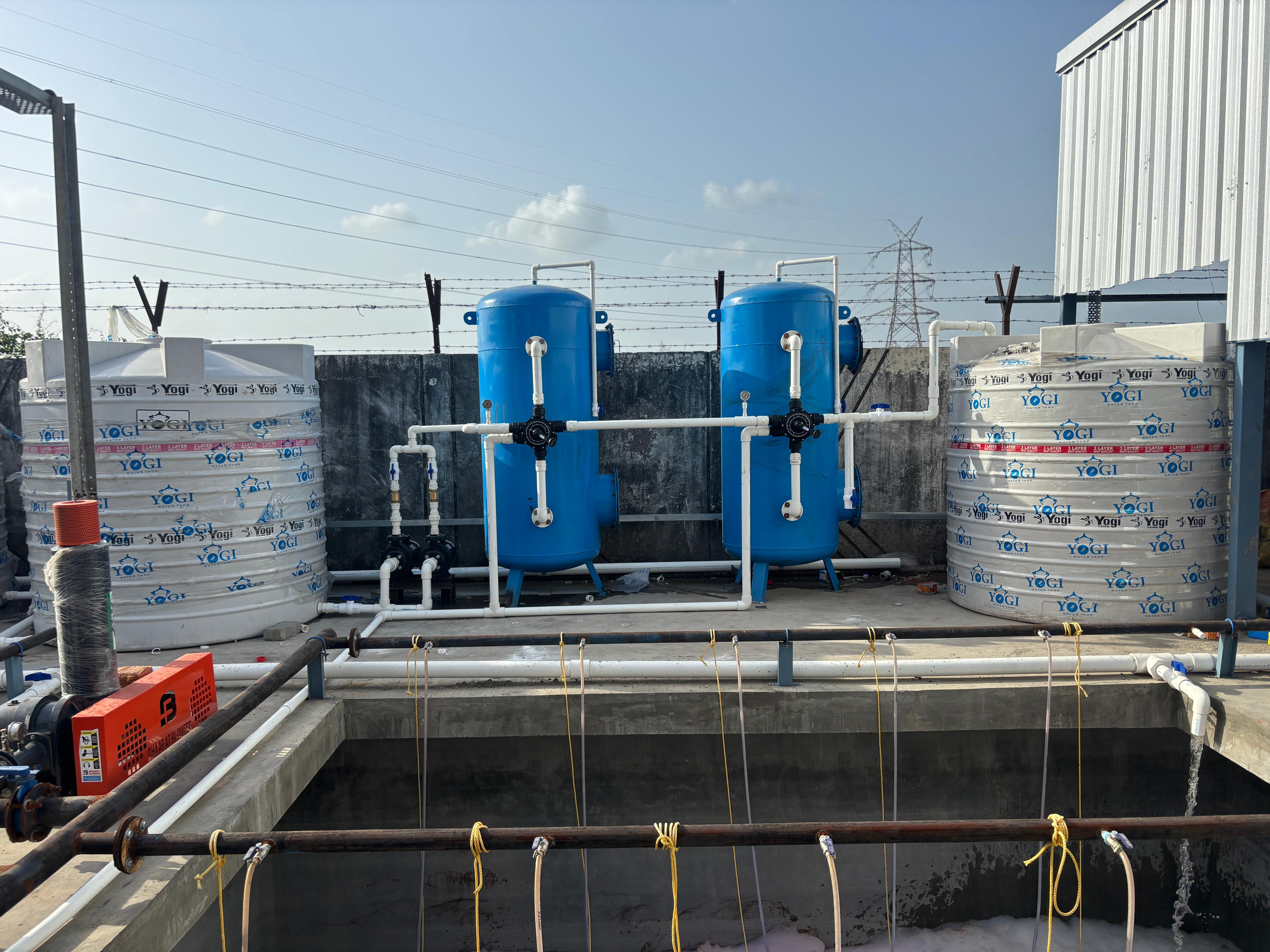
Kejriwal Industries needed to both treat its industrial effluent to compliance standards and recover as much water as possible for reuse. Aim Enviro designed a 300 KLD Effluent Treatment Plant as the primary treatment stage, followed by intermediate storage and a 60 KLD Ultrafiltration (UF) system to remove fine suspended solids ahead of reverse osmosis.
The treated water then passes through two RO stages in series, with the second RO polishing the permeate from the first — maximizing the volume of high-quality recovered water available for reuse in the facility.
Scope of Work
What We Delivered
- Effluent characterization and treatment process design for a 300 KLD ETP
- Design and installation of intermediate storage tank
- Supply and commissioning of a 60 KLD UF system
- Design and installation of a two-stage RO recovery system
- Integration of the full ETP → UF → RO train into a single recovered-water output
Technologies Used
At a Glance
Project Specifications
Client
Kejriwal Industries
ETP Capacity
300 KLD
UF Capacity
60 KLD
Core Technology
ETP + UF + Two-Stage RO
Core Goals
- Treat 300 KLD of industrial effluent to compliance standards
- Maximize water recovery through UF and two-stage RO
- Deliver a single integrated ETP → UF → RO train for reuse-ready water
Key Challenges
- Removing fine suspended solids ahead of membrane treatment
- Maintaining consistent RO performance across two stages in series
- Balancing ETP output quality with UF and RO feed requirements
Process
Treatment & Recovery Workflow
Raw Effluent
300 KLD ETP
Storage Tank
UF System (60 KLD)
RO Stage 1
RO Stage 2
Recovered Water
Highlights
- Intermediate storage stage decouples ETP output from UF and RO feed conditions
- UF stage engineered to protect membrane performance across both RO stages
- Two-stage RO arrangement tuned to maximize recovered water from a single effluent stream
How We Work
Our Project Execution Methodology
Requirement Analysis
Understanding water quality, capacity, and application requirements for the project.
Water Testing & Site Study
Sampling and analyzing raw water or effluent, and assessing site conditions and constraints.
Design & Engineering
Detailed process design, equipment sizing, and engineering drawings tailored to the project.
Equipment Selection
Sourcing and specifying equipment matched to capacity, technology, and site requirements.
Installation & Commissioning
Mechanical and electrical installation, system integration, and trial runs.
Performance Testing
Validating output quality and system performance against design targets.
AMC & O&M Support
Ongoing maintenance, monitoring, and operational support after handover.
Key Benefits
Results That Matter
Gallery
Project Gallery
Collaboration
Project Partners
Delivered through close collaboration between Aim Enviro's engineering team and the client.
Looking to Recover Water from Your Effluent?
Partner with Aim Enviro to design an ETP, UF, and RO train tailored to your plant's water recovery goals.
Explore More